
Should I Hire a General Contractor or Individual Trades?
Summary
Wondering whether to hire a general contractor or individual trades? Learn when hiring separate trades makes sense, when a general contractor can save you time and money, and how to avoid costly remodeling mistakes based on over 20 years of real-world experience.

Many professional general contractors perform specialized work with their own employees. This custom tile installation was completed by the Absolute Building Concepts team as part of a residential remodeling project.
If you’re planning a remodeling project, you’ve probably asked yourself: Should I hire a general contractor or just hire the individual trades myself?
The answer depends on the size and complexity of your project.
After more than 20 years serving homeowners through Absolute Building Concepts, a licensed and insured Kansas City remodeling contractor, I’ve seen homeowners save money by hiring a single trade for a simple repair—and I’ve also seen homeowners spend thousands more trying to coordinate multiple trades themselves. The key is understanding what you’re really taking on when you choose one approach over the other.
When Hiring Individual Trades Makes Sense
There are situations where hiring a specialty trade is the right decision.
For example:
- Replacing bathroom light fixtures or electrical receptacles.
- Installing a new toilet.
- Replacing a faucet.
- Swapping out shower or tub fixtures.
These are generally straightforward projects involving one trade with minimal coordination. If no other construction work is involved, hiring the appropriate licensed professional can be a practical solution.
Once your project involves multiple trades, structural work, permits, or scheduling, the equation changes significantly.
For bigger bathroom projects involving multiple trades, such as a full bathroom remodel, hiring a general contractor is usually the smarter choice. See our bathroom remodeling services
What Happens When You Hire Multiple Trades?
Many homeowners don’t realize that when they hire multiple trades individually, they become the general contractor.
That means you’re responsible for much more than finding someone to do the work.
You’ll need to:
- Interview and hire each trade.
- Verify licensing and insurance.
- Request insurance certificates for your protection.
- Coordinate schedules.
- Order materials.
- Ensure work is completed in the proper sequence.
- Schedule inspections when permits are required.
- Resolve problems if one trade damages another’s work.
- Handle warranty issues if something fails later.

A custom tile shower is more than beautiful—it requires proper waterproofing, precise installation, and careful coordination between multiple trades. This bathroom remodeling project was completed by the Absolute Building Concepts team.
Most homeowners have never managed a construction project before. Unfortunately, construction doesn’t always follow a straight line. Many trades return multiple times throughout a remodel because work happens in phases. Without experience coordinating those phases, delays and additional costs become much more likely.
What Does a General Contractor Actually Do?
Many people assume they’re simply paying extra for someone to oversee the project. That’s not what a professional general contractor does.
A qualified general contractor manages every moving part of your remodel while taking responsibility for the finished product.
A professional contractor should:
- Vet subcontractors before they ever work on your home.
- Employ skilled craftsmen in the areas they specialize in.
- Coordinate scheduling between every trade.
- Obtain permits when required.
- Schedule inspections.
- Verify work meets applicable building codes.
- Coordinate material deliveries.
- Manage quality control throughout construction.
- Carry appropriate insurance that protects the project.
You’re not simply paying someone to make phone calls. You’re hiring someone whose full-time job is preventing costly mistakes before they happen.
A Real Example from the Field
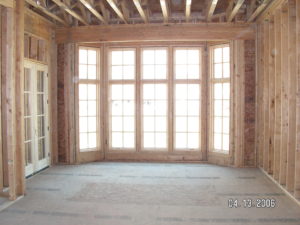
What appears to be a simple window replacement can reveal hidden structural damage.
One homeowner contacted a window company because they believed old windows were causing water intrusion. The window company removed the old windows and installed new ones.
Afterward, the homeowner called us to solve the siding and water intrusion problems. Once we opened the wall, we discovered extensive wood rot surrounding the window openings. The framing had deteriorated so badly, parts of the wood framing members came off with the tape.
Unfortunately, there was only one way to fix it correctly. The newly installed windows had to be removed. We reframed the damaged wall, reinstalled the windows, installed new flashing, replaced the damaged siding, caulked everything correctly, and finished the project with paint.
Had a general contractor been involved from the beginning, the hidden structural damage would have been discovered before the windows were installed. The framing could have been repaired first. The windows would have been installed once instead of twice. That saved time, labor, and frustration—and ultimately would have cost the homeowner less money.
Sometimes the most expensive remodeling decisions are made before construction even begins.
The Hidden Challenges Homeowners Don’t Expect
Over the years, I’ve found that homeowners are usually surprised by the issues that aren’t visible during the planning stage.
Code Compliance
Many cities require code upgrades whenever a permit is pulled. A homeowner may think they’re replacing a bathroom or remodeling a kitchen, only to learn additional work is required before the project can pass inspection. Without experience, these requirements often come as an expensive surprise.
Structural and Water Damage
Construction frequently uncovers hidden problems: water damage, wood rot, improper framing, or previous repairs that weren’t completed correctly. These discoveries require someone who understands how one repair affects every trade that follows.
Material Coordination
Materials rarely arrive in the exact order they’re needed. Some products have long lead times. Ordering materials too early—or too late—can delay an entire project. An experienced general contractor coordinates these moving parts so trades can continue working efficiently.
Inspections
Building inspections usually occur during business hours. If you’re acting as your own general contractor, you’ll often need to coordinate with inspectors, meet them on-site, and make sure work is ready for inspection before the next phase begins.
Warranty and Accountability
One of the biggest problems I see occurs after the project is complete. If something goes wrong, multiple trades may point fingers at one another. Meanwhile, the homeowner is left trying to determine who is responsible. A professional general contractor provides a single point of accountability for the project.
What Should You Look for in a General Contractor?
Whether you’re comparing remodeling estimates or choosing between contractors, don’t make your decision based on price alone. Look for a licensed and insured contractor who also provides value through planning, communication, and accountability.
A professional contractor should provide:
- Current General Liability and Workers’ Compensation insurance.
- Insurance certificates directly from their insurance company when requested.
- A detailed written remodeling proposal—not just a one-page estimate.
- Clear inclusions and exclusions.
- A realistic construction schedule.
- Permit and inspection guidance.
- Product recommendations based on performance, not simply price.
- Strong communication throughout the project.
- References that speak to professionalism, craftsmanship, and reliability.
A quality written remodeling proposal should explain exactly what is included, what is excluded, how payments are handled, and what homeowners should expect throughout the project. The more detailed the proposal, the fewer surprises you’ll encounter later.
So, Should You Hire a General Contractor or Individual Trades?
If you’re replacing a faucet or installing a new light fixture, hiring the appropriate trade often makes perfect sense. If your project involves multiple trades, demolition, structural work, permits, inspections, or coordinating several phases of construction, hiring an experienced general contractor is almost always the better investment.
The goal isn’t simply getting the work completed. It’s getting it completed correctly the first time.
My Advice After More Than 20 Years
If there’s one piece of advice I’d give every homeowner, it’s this: Regardless of who you hire, make sure they’re properly insured. This isn’t just for their protection. It’s for yours.
Over the years, the hardest situations I’ve encountered haven’t been construction problems—they’ve been homeowners struggling with the financial consequences of hiring someone they trusted without verifying they were properly insured. A poor decision can affect your home for years.
Take the time to verify credentials, ask questions, and choose a contractor who stands behind their work with professionalism, experience, and the proper protection. Your home—and your peace of mind—are worth it.
Is it cheaper to hire individual trades instead of a general contractor?
Sometimes for small, single-trade projects. For larger remodels, coordinating multiple trades yourself can increase costs through delays, mistakes, and rework.
What does a general contractor do?
A general contractor plans, manages, and coordinates every aspect of a remodeling project. This includes scheduling trades, obtaining permits, arranging inspections, ordering materials, ensuring code compliance, managing quality control, and serving as the single point of accountability throughout the project.
Many professional remodeling contractors also self-perform much of the work with their own employees rather than subcontracting everything. For example, at Absolute Building Concepts, our team performs many of the specialized services we offer, including:
- Home additions
- New Builds, including homes and barns
- Structural repairs
- Deck construction
- Interior/exterior remodeling
- Siding replacement
- Various carpentry and finish work
- Custom cabinetry
- Tile installation
- Product installation
Specialty trades such as electrical, plumbing, or HVAC are coordinated when required, allowing the project to move efficiently while ensuring each phase is completed by qualified professionals.
This combination of in-house craftsmanship and carefully managed specialty trades helps maintain quality, improve communication, and provide homeowners with one company that stands behind the completed project.
Can I act as my own general contractor?
Yes, but you’ll be responsible for hiring trades, coordinating schedules, obtaining permits, arranging inspections, resolving warranty disputes, and ensuring code compliance.
When should I hire a general contractor?
If your remodel involves multiple trades, structural work, permits, or inspections, hiring a qualified general contractor is usually the most efficient and cost-effective option.
Comments