
Common Drywall Problems in Commercial Spaces: What Property Owners Should Watch For
Common Drywall Problems in Commercial Spaces: What Property Owners Should Watch For
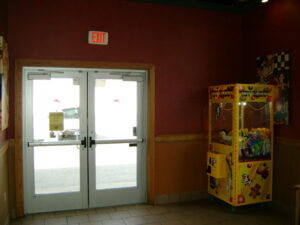
Finished interior after structural repairs and restoration were completed following a vehicle impact. Absolute Building Concepts restored the damaged restaurant while minimizing business interruption and returning the space to its original appearance.
A small dent in an office wall might not seem like a big deal. Neither does a hairline crack near a doorway or a discolored patch of drywall behind restaurant equipment. However, not all drywall damage is simply cosmetic. Sometimes, what appears to be a minor problem is an early warning sign of something more serious.
For commercial property owners and facility managers, knowing the difference can help prevent unnecessary expenses, disruptions to business operations, and more extensive building repairs.
At Absolute Building Concepts, we’ve worked in a variety of commercial environments throughout the Kansas City metropolitan area, including offices, schools, restaurants, and industrial facilities. One thing we’ve learned is that the most common drywall problems depend heavily on how a building is used.
Understanding those differences is the first step toward identifying damage early and determining when professional repairs are necessary.
What Are the Most Common Drywall Problems in Commercial Buildings?
Commercial drywall experiences different types of wear depending on the activities taking place inside the building. While some environments experience mostly cosmetic damage, others are more susceptible to moisture problems, heavy impacts, or structural movement.
Dents, Holes, and Impact Damage in Offices and Schools
In offices, schools, and academic facilities, everyday activity is one of the leading causes of drywall damage.
Common examples include:
- Office furniture being moved against walls
- Rolling carts striking corners or wall surfaces
- Doors opening too far and damaging the drywall
- Equipment accidentally hitting walls
- General wear in hallways and other high-traffic areas
Most of these problems are cosmetic and relatively straightforward to repair.
However, even minor damage can affect the professional appearance of a commercial property. Small holes and dents also tend to accumulate, particularly in buildings with heavy foot traffic.
For property managers, addressing these issues as part of routine building maintenance can help keep repair costs manageable while maintaining a clean, professional environment.
Heavy Impact Damage in Industrial and Trade Facilities
Industrial buildings and trade-related businesses often experience more significant drywall damage because of the equipment and materials being moved throughout the facility.
Unlike a traditional office environment, these buildings may have machinery, tools, storage equipment, and other heavy objects regularly positioned against walls.
Over time, repeated impacts can create large holes, broken corners, and damaged drywall sections.
In these environments, repairing drywall may solve the immediate problem, but it is also worth considering whether additional wall protection would help prevent the damage from happening again.
Water Damage in Restaurants and Commercial Kitchens
Restaurants present a different set of challenges.
Commercial kitchens, food preparation areas, and buffet spaces frequently experience moisture exposure that can damage drywall and surrounding building materials.
Common sources of moisture include:
- Leaking sinks or plumbing connections
- Improper floor drainage
- Excessive humidity in food preparation areas
- Water accumulating around kitchen equipment
- Roof leaks allowing moisture to enter the building
- Drainage problems affecting surrounding walls and framing
Water damage is particularly concerning because the visible drywall deterioration may represent only a portion of the problem.
Replacing damaged drywall without correcting the moisture source can allow the same problem to return.
That is why investigating the cause of water damage is an essential part of determining the appropriate repair.
How Can You Tell Whether Drywall Damage Is Cosmetic or Structural?
One of the most important questions a commercial property owner can ask is whether the damage is limited to the drywall itself or indicates a larger building problem.
At Absolute Building Concepts, we approach these situations differently depending on the type of damage.
When commercial wall damage extends beyond the surface, a thorough assessment is essential. Learn more about what happens during an initial commercial building damage assessment and why identifying hidden problems is so important.
Cosmetic Drywall Damage
Dents, scratches, and holes caused by everyday activity are generally cosmetic.
These repairs may involve patching damaged areas, replacing sections of drywall, finishing the surface, and repainting to match the surrounding walls.
Although these issues typically do not indicate structural problems, repairing them promptly helps maintain the appearance and condition of the property.
Water-Damaged Drywall
Water damage requires a more thorough investigation.
Before making repairs, we need to determine where the moisture is coming from.
Potential sources include:
- Improper exterior drainage
- Roof leaks
- Plumbing leaks inside walls
- Water entering through damaged exterior building components
- Drainage problems around commercial equipment
Simply covering the damaged area or installing new drywall will not resolve an ongoing moisture problem.
Depending on the extent of the damage, surrounding materials may also need to be evaluated.
Cracks That May Indicate Building Movement
Not every drywall crack indicates a structural problem. Buildings can develop minor cracks for several reasons, including normal movement.
However, cracks should not automatically be dismissed as cosmetic.
When we encounter cracking that raises concerns, we look for evidence of building settlement or movement that could indicate foundation or other structural issues.
Property owners should pay particular attention to cracks that:
- Continue to grow or widen
- Reappear after previous repairs
- Develop alongside doors or windows that no longer operate properly
- Appear in multiple areas of the building
- Occur with other visible signs of building movement
Identifying a settlement problem early is important.
If foundation issues are allowed to continue, property owners may eventually face not only structural repairs but also extensive interior repairs to drywall, finishes, doors, and other building components.
The earlier a potential structural problem is investigated, the better the opportunity to limit additional damage.
A Restaurant Drywall Problem That Turned Out to Be a Drainage Issue
One commercial project illustrates why investigating the underlying cause of drywall and moisture damage is so important.
Absolute Building Concepts was called to a restaurant experiencing water damage and a drainage problem near its walk-in freezer.
Initially, the concern involved water accumulating in the area and the resulting damage.
However, as we investigated why the water was not draining properly, we discovered an installation problem left by a previous contractor.
The Problem Was Hidden Beneath the Freezer Wall
During an earlier installation, a contractor had positioned one of the walk-in freezer’s exterior walls directly over an existing drain.
The wall blocked the drain, preventing water from flowing into it as intended.
As a result, water accumulated around the freezer area, contributing to excessive moisture and damage to nearby framing members.
The visible water damage was a symptom of a much larger issue involving the building’s drainage configuration.
Correcting the Cause Instead of Covering the Damage
The solution required relocating the drain so water could flow into it properly.
Without addressing that drainage problem, replacing damaged wall materials would not have prevented the moisture from returning.
This project demonstrates an important lesson for commercial property owners:
When drywall damage involves water, the most important repair may be something you cannot see on the surface.
A proper investigation can uncover installation mistakes, plumbing problems, or drainage issues that would otherwise continue damaging the building.
Improper construction practices can create problems that remain hidden for years. Choosing a qualified contractor who investigates underlying conditions rather than simply covering visible damage can help prevent costly repairs.
What Are the Early Warning Signs of Commercial Drywall Problems?
Commercial property managers do not need to be construction experts to recognize when drywall deserves closer attention.
Routine building inspections can help identify problems before they become more extensive.
Signs of Moisture Damage
Watch for:
- Brown or yellow discoloration on walls or ceilings
- Bubbling, peeling, or blistering paint
- Soft or deteriorating drywall
- Swollen or damaged wall surfaces
- Persistent dampness around sinks or equipment
- Musty odors
- Visible mold growth
- Water collecting near walls or floor drains
Some of these conditions may indicate an active moisture problem, while others can remain after an earlier leak.
Either way, the source should be identified before cosmetic repairs begin.
Signs of Possible Structural Movement
Property managers should also watch for:
- New cracks around doorways and windows
- Cracks that repeatedly return after patching
- Widening cracks in walls
- Doors that begin sticking or no longer close correctly
- Noticeable changes in wall alignment
These symptoms do not necessarily mean a foundation is failing, but they warrant further investigation when they appear together or continue to worsen.
Signs of Excessive Everyday Wear
In busy commercial environments, look for:
- Repeated holes near door handles
- Damaged outside corners
- Scratches and dents along equipment routes
- Broken drywall behind storage areas
- Recurring damage in the same wall locations
Repeated damage often suggests that the building would benefit from protective improvements rather than ongoing cosmetic repairs alone.
How Can Commercial Property Owners Prevent Drywall Damage?
The EPA’s guidance on moisture control in commercial buildings emphasizes routine inspections and maintenance of drainage systems, plumbing, walls, and other building components to help prevent moisture-related deterioration.
Preventive maintenance is generally easier to manage than repeated repairs.
Although it may not be possible to eliminate every dent, scratch, or impact, commercial property owners can take practical steps to reduce unnecessary damage.
Install and Maintain Wall Protection
For offices, schools, and other high-traffic facilities, protective features can help minimize everyday wear.
Depending on the building, these may include:
- Corner guards in high-traffic areas
- Wall protection where carts and equipment are frequently moved
- Properly positioned doorstops
- Appropriate door-closing hardware
- Protective finishes in areas exposed to repeated impacts
Many commercial buildings already have some of these features installed.
However, it is important to make sure they remain properly positioned and functional.
A missing doorstop or damaged corner guard can lead to repeated drywall repairs in the same location.
Address Cracks Before They Become Larger Problems
Commercial property owners should avoid ignoring cracks simply because they appear small.
While many cracks are cosmetic, others can be early indicators of building movement.
Investigating suspicious cracks promptly can help identify whether additional repairs are necessary.
If a foundation or settlement issue is developing, catching it early may reduce the amount of interior damage that occurs over time.
Consider Stainless Steel or FRP Wall Protection in Restaurants
In commercial kitchens, standard painted drywall may not be the best exposed wall finish in areas subject to frequent cleaning, moisture, and equipment impacts.
Based on our experience working in restaurant environments, Absolute Building Concepts often recommends considering stainless steel panels or fiberglass-reinforced plastic (FRP) wall panels where appropriate.
These materials provide several advantages.
Stainless steel wall panels:
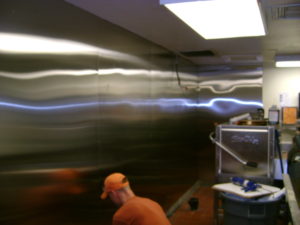
Stainless steel wall panels provide a durable, easy-to-clean surface that helps protect commercial kitchen walls from moisture and everyday damage.
- Offer a durable surface for commercial kitchen environments
- Withstand frequent cleaning
- Help protect underlying wall assemblies from everyday impacts
- Provide a clean, professional appearance
- Reduce exposed drywall damage in heavily used areas
FRP wall panels:
- Provide a washable protective wall surface
- Resist many common forms of surface wear
- Offer an alternative to exposed painted drywall
- Can be useful in moisture-prone commercial areas when properly specified and installed
Both materials must be selected and installed appropriately for the environment, including applicable building, fire, and health department requirements.
Neither material eliminates the need to correct plumbing leaks, drainage problems, or moisture trapped behind wall assemblies.
In commercial kitchens, we particularly appreciate stainless steel because of its durability, appearance, and ability to withstand demanding conditions.
Instead of repeatedly repairing exposed drywall, property owners may benefit from installing a more durable protective finish.
Can Commercial Drywall Be Repaired Without Closing the Business?
One concern we frequently encounter with commercial projects is how repairs will affect daily business operations.
A restaurant cannot always shut down its kitchen for repairs. An office may need employees to continue working, and a commercial facility may have customers or equipment moving through the building throughout the day.
At Absolute Building Concepts, we understand that commercial repairs must account for the needs of the business.
After-Hours and Overnight Commercial Repairs
For many restaurant projects, we perform repairs after normal business hours.
Working overnight allows us to address building problems while minimizing interference with restaurant operations.
The appropriate schedule depends on the scope of work, required access, and the conditions involved.
Some repairs can be completed during a planned closure or overnight work period, while more extensive projects may require additional coordination.
Dust Containment in Occupied Buildings
When repairs take place during regular business hours, protecting the surrounding environment becomes a priority.
Depending on the project, we isolate work areas and establish dust containment systems to reduce the spread of construction dust.
This is particularly important in occupied offices and other commercial facilities where employees or customers may remain in the building.
Completing Repairs in Stages
For larger projects, repairs may be completed in stages.
This allows portions of the building to remain operational while work progresses in designated areas.
The goal is to complete necessary repairs while reducing unnecessary disruptions to the people who depend on the building.
When Should You Call a Commercial Contractor for Drywall Repairs?
Not every scratch or dent requires immediate professional attention.
However, certain conditions should prompt property owners to schedule an evaluation.
Consider contacting a commercial contractor when:
- Drywall damage involves an active or suspected water leak
- Cracks are widening or repeatedly returning
- Damage extends beyond the visible wall surface
- Framing or other building components may be affected
- The same areas require repeated repairs
- Wall damage is interfering with normal business operations
- Repairs require coordination around employees, customers, or equipment
- A more durable wall finish may be appropriate
For commercial properties, it is also important to work with a contractor who understands the building’s intended use.
Repairing drywall in a traditional office is different from addressing moisture damage in a commercial kitchen or repeated impacts in an industrial facility.
The repair approach should reflect those differences.
Commercial Drywall Repairs in the Kansas City Area
Commercial drywall problems are not always as simple as they appear.
A hole caused by a door handle may need nothing more than a straightforward repair and a properly positioned doorstop.
A crack may require further investigation to determine whether building movement is occurring.
Water-damaged drywall may reveal plumbing, drainage, or installation problems that need to be corrected before the wall can be repaired.
At Absolute Building Concepts, LLC, we approach commercial repairs by evaluating the damage, identifying potential underlying problems, and discussing practical repair options with the property owner or facility manager.
Our experience includes commercial offices, restaurants, industrial facilities, and other business environments throughout the Kansas City metropolitan area.
Whether your building needs minor drywall repairs, investigation of recurring moisture damage, or more extensive commercial repairs, we understand the importance of quality workmanship and minimizing disruptions to your operations.
Don’t wait for a small drywall problem to become an expensive building repair.
Contact Absolute Building Concepts to discuss your commercial drywall concerns and schedule an evaluation.
Absolute Building Concepts, LLC
Phone: (816) 650-6000
You Imagine It… We’ll Build It.
Comments
Leave a Comment
Let us know what you think about this post, Just fill in that form on the right.