
Do I Need a Permit for Bathroom Remodeling?
Summary
Thinking about remodeling your bathroom? Before demolition begins, it's important to know whether your project requires a building permit. This article explains which bathroom remodeling projects typically require permits, which cosmetic updates often do not, and why permits protect homeowners by ensuring work is inspected for safety and code compliance. Drawing from more than 20 years of remodeling experience in the Kansas City metro area, we also share real-world examples, common permit myths, tips for hiring a qualified contractor, and practical advice to help homeowners avoid costly mistakes and remodel with confidence.
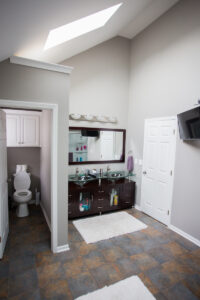
New custom bathroom created by converting unused space above the garage into a functional living area with a custom vanity and private toilet room.
If you’re planning a bathroom remodel, one of the first questions you should ask is, “Do I need a permit?” The answer depends on the scope of your project—but overlooking permit requirements can lead to safety concerns, costly repairs, delays, and even legal issues when it’s time to sell your home.
As a Kansas City remodeling contractor with more than 20 years of experience, we’ve helped homeowners navigate bathroom remodeling projects of every size. One of the biggest misconceptions we hear is that permits are simply another government hurdle. In reality, permits exist to protect homeowners by ensuring remodeling work is completed safely and according to current building codes.
Here’s what every homeowner should know before starting a bathroom remodeling project.
What Bathroom Remodeling Work Requires a Permit?
In most Kansas City metro jurisdictions, permits are generally required whenever a bathroom remodel involves changes to the home’s structural, plumbing, electrical, or mechanical systems.
Projects that commonly require permits include:
-
Moving or adding plumbing lines
-
Relocating sinks, toilets, tubs, or showers
-
Installing new electrical circuits or relocating outlet
-
Structural changes such as removing or altering walls
-
Changes affecting load-bearing framing
-
Water heater replacements in many jurisdictions
These projects require inspections because they involve systems that directly affect the safety and performance of your home.

Custom-built bathroom vanity featuring quality cabinetry, a durable stone countertop, and professional installation by Absolute Building Concepts.
What Bathroom Remodeling Work Usually Does Not Require a Permit?
Many cosmetic improvements typically do not require permits, although requirements can vary by municipality.
These projects often include:
-
Interior painting
-
Installing new trim and molding
-
Replacing drywall without altering framing
-
Installing ceramic or porcelain tile
-
Replacing flooring
-
Installing new bathroom accessories
-
Replacing faucets or shower trim in some jurisdictions
Even something as simple as replacing plumbing fixtures may require a permit in certain cities.
Our recommendation is simple: If you’re unsure, contact your local building department before beginning work. A quick phone call can prevent expensive mistakes later.
Why Permits Protect Homeowners
Many homeowners think permits are simply paperwork. They aren’t.
A building permit allows trained code officials to inspect the work while it is still accessible. Once walls, ceilings, and floors are closed, hidden problems can remain unnoticed for years.
Permits help ensure:
-
Structural framing meets current code requirements.
-
Plumbing systems are installed correctly.
-
Electrical work is safe.
-
Mechanical systems function properly.
-
Work complies with current building codes.
Ultimately, inspections protect the homeowner—not just the contractor.
A Real Example from One of Our Bathroom Remodeling Projects
One bathroom remodel perfectly illustrates why permits and inspections matter.
Once we opened the walls, we discovered multiple hidden problems that had existed for years.
We found:
-
Structural deficiencies caused by improper framing.
-
Incorrect load transfers within the structure.
-
Outdated plumbing.
-
Plumbing venting that did not meet current code requirements.
None of these issues were visible before demolition began.
Had the walls remained closed, the homeowner could have completed a beautiful bathroom remodel while unknowingly leaving significant problems hidden behind the finished surfaces.
This is one reason we always tell homeowners that remodeling isn’t simply about replacing finishes—it’s also an opportunity to identify and correct problems that affect the long-term safety and performance of the home.
Common Permit Myths We Hear Every Week
After decades in the remodeling industry, we’ve heard just about every misconception regarding permits.
“It’s just a small bathroom remodel.”
Project size doesn’t determine whether a permit is required.
Changing plumbing, electrical systems, structural framing, or mechanical systems often requires permits regardless of the room’s size.
“Permits are difficult to get.”
In most Kansas City metro communities, obtaining a permit is a straightforward process when handled by an experienced remodeling contractor.
“The city takes forever.”
While every municipality operates differently, most permitting departments process standard residential remodeling permits efficiently when complete documentation is submitted.
“Inspectors are hard to work with.”
Our experience has been quite the opposite.
Inspectors are trained professionals whose responsibility is protecting homeowners by ensuring projects meet current building codes.
Most appreciate working with qualified contractors who communicate well and prepare projects correctly.
Why Unpermitted Work Can Create Problems Later
Skipping permits doesn’t simply affect today’s project.
It can also create future problems if you decide to sell your home.
If hidden defects later become apparent and are traced back to unpermitted remodeling work that was never properly inspected, disputes may arise regarding disclosures, repairs, or responsibility.
While every situation is different, permits provide documentation that the work was inspected during construction rather than simply covered over.
Who Should Pull the Permit?
In most Kansas City metro jurisdictions, the general contractor performing the remodel should obtain and hold the building permit.
This provides several advantages.
The contractor becomes responsible for:
-
Coordinating inspections
-
Managing subcontractors
-
Communicating with the building department
-
Scheduling required inspections
-
Ensuring work complies with applicable building codes
It also provides the homeowner with one primary point of contact throughout the remodeling process.
Should Homeowners Pull Their Own Permit?
We occasionally hear homeowners say they plan to obtain the permit themselves and then hire a contractor.
In the Kansas City metro area, homeowner permits are generally intended for situations where the homeowner is acting as the contractor and performing 100% of the work themselves.
If a homeowner obtains the permit but hires someone else to complete the remodeling, responsibility can become unclear, and liability may shift in ways many homeowners do not anticipate.
For most bathroom remodeling projects, having the general contractor obtain the permit is usually the better approach.
How Can You Verify a Permit Was Issued?
Verifying a permit is easy.
Most jurisdictions issue either a printed or digital permit that is typically required to be posted at the job site, often in a front window or another visible location.
Homeowners can also contact the local permitting department to confirm that an active permit has been issued for their address.
Never hesitate to verify this information yourself.
A Warning Sign Every Homeowner Should Know
One situation we occasionally encounter involves contractors who cannot obtain remodeling permits under local jurisdictional requirements.
Instead, they tell homeowners they “work with another contractor” who will pull the permit.
That creates another layer between the homeowner and the individual actually responsible for the permit.
If issues arise between those contractors, permit complications can delay the project or even result in work being stopped until permit issues are resolved.
Before signing a contract, ask:
-
Who is pulling the permit?
-
Whose company name is listed on the permit?
-
Who is responsible for inspections?
-
Who is coordinating subcontractors?
You deserve clear answers before construction begins.
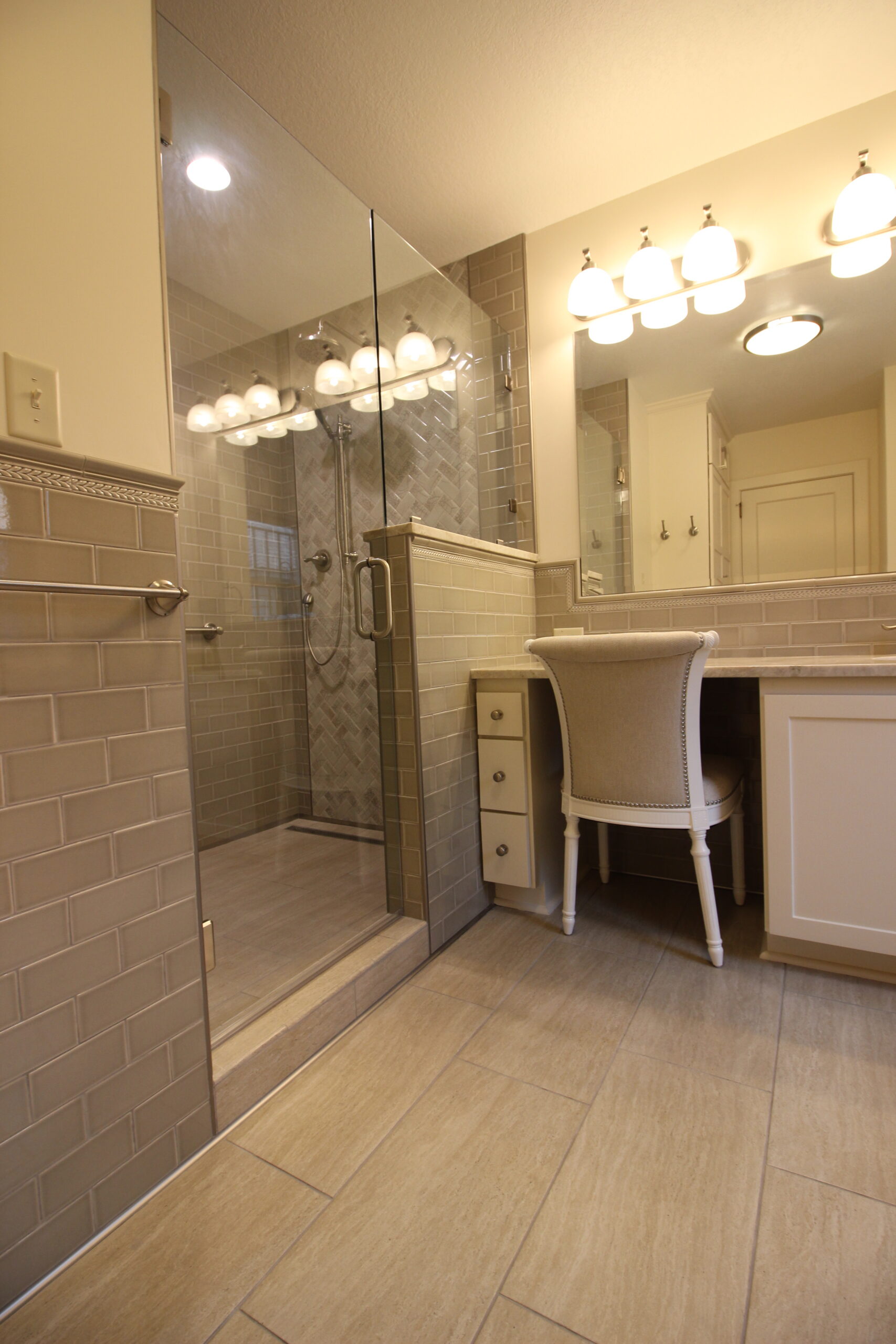
Custom master bathroom featuring a spacious vanity, quartz countertops, handcrafted tile, frameless glass shower enclosure, and a luxurious walk-in shower.
Final Thoughts
Bathroom remodeling is one of the best investments you can make in your home—but only when it’s completed properly.
Permits aren’t simply about following regulations. They’re about protecting your investment, your family’s safety, and your home’s long-term value.
At Absolute Building Concepts, we believe homeowners should understand the remodeling process before construction begins. That includes knowing when permits are required, why inspections matter, and how qualified contractors help ensure every project is completed according to current building codes.
If you’re planning a bathroom remodel in the Kansas City metro area, we’re happy to answer your questions, explain the permitting process, and help you build with confidence.
Frequently Asked Questions
Do I need a permit to replace a bathroom vanity?
Usually not if you’re simply replacing the vanity without modifying plumbing or electrical systems. However, requirements vary by city, so it’s always best to verify with your local building department.
Do I need a permit to replace a bathtub with a walk-in shower?
If plumbing is relocated, structural framing is modified, or electrical or mechanical systems are changed, a permit is typically required.
Can I remodel my bathroom without a permit?
Cosmetic improvements often do not require permits, but remodeling that affects structural, plumbing, electrical, or mechanical systems usually does.
How do I know if my contractor pulled a permit?
Ask to see the permit, verify that it is posted at the project site if required, or contact your local building department to confirm an active permit has been issued.
Comments